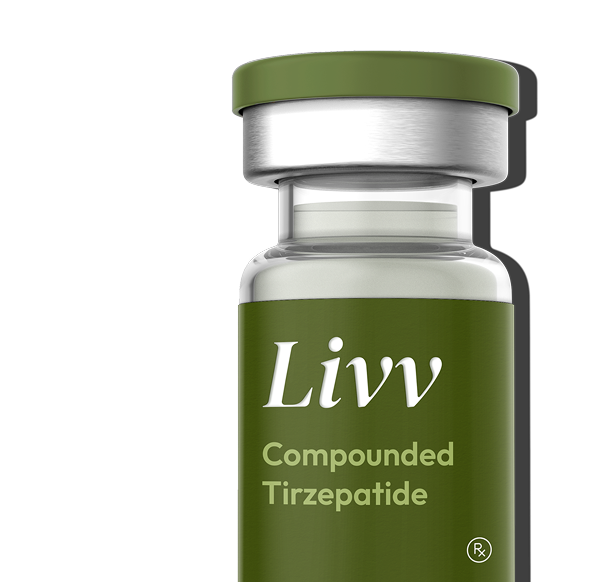
The cost of compounded tirzepatide is one of the main reasons patients are exploring alternatives to brand-name medications. While brand versions like Mounjaro or Zepbound can cost over $1,000 per month, compounded tirzepatide is often available for a fraction of that price. Understanding why it’s cheaper helps patients make informed choices about affordability and quality.
Quick Summary:
-
Brand-name tirzepatide often lists around $1,000+ per month before insurance or programs.
-
Manufacturer programs can drop the cash price down to $349-$499 per month when paying out of pocket.
-
Compounded tirzepatide is usually in the $250-$600 per month range.
-
Compounded products are not FDA-approved and do not go through the same clinical trials.
-
Your total cost depends on dose, shipping, consult fees, and how many pens or vials you receive.
Interested in learning how compounded tirzepatide may support weight management? Explore our treatment options here.
What brand-name tirzepatide costs today
Public list prices for brand products remain high. For example, the list price for Mounjaro is about $1,079.77 per month for a one-month supply. Ro+2Lilly Pricing Info+2
For Zepbound the list price is around $1,086.37 per month. Lilly Pricing Info+1. However, the manufacturer’s self-pay program recently offered doses at $349 for starter dose and $499 per month for other doses. Lilly Investor Relations+1
In other words, brand-name cost without insurance is often in the range of $1,000-$1,300 per month. Hers+1
If you have good insurance and join a savings program, out-of-pocket can drop dramatically, sometimes as low as $25 per month for eligible patients. faynutrition.com+1
What compounded tirzepatide usually costs
Compounded pricing is set by each pharmacy and varies by dose, volume, and treatment plan. Some publicly posted examples include:
-
A telehealth provider lists: 2.5 mg/5 mg doses at $399/month, 7.5 mg/10 mg at $599/month, and 12.5 mg/15 mg doses at $749/month. plushcare.com
-
An online analysis of compounding pharmacy pricing found the average cost of compounded tirzepatide about $350 per month across 10 pharmacies. helloklarity.com
So you will often find compounded versions in the range of $250-$600/month, depending on your dose and service provider. Some may claim lower “starting at” prices, but you should check what the full cost will be for your dose. Vaccine Alliance
Why the big gap from brand name to compounded
Here are the core reasons:
-
Brand-name manufacturers invest years in discovery, large clinical trials, manufacturing scale, national logistics, safety systems, and ongoing studies. All that cost is built into the price.
-
Compounded pharmacies source active ingredient in bulk, prepare patient-specific lots, and avoid large commercial packaging and national distribution overhead.
-
Compounded products are not FDA-approved as finished products. They do not go through the same approval process, large-scale trials, or marketing systems. GoodRx+1
-
Marketing and national promotion spend is lower for compounders. Many serve local or niche markets.
-
The form factors and channels differ. Brand-name pens vs custom vials or syringes can drive cost differences.
Important regulatory context that can affect cost
Compounded drugs have certain regulatory and risk differences: the Food and Drug Administration (FDA) states that compounded drugs are not FDA-approved, meaning the agency has not evaluated them for safety, effectiveness, or quality before marketing. GoodRx+1
When supply constraints for brand drugs existed, compounding pharmacies stepped in with custom versions. For example, during the tirzepatide shortage, compounding versions were widely used at lower cost. Financial Times+1
With supply stabilizing, regulatory scrutiny increases, which could affect availability and pricing of compounded versions going forward.
What goes into your total monthly cost
Here are factors you need to account for:
-
Medication and dose: Weekly dose in mg, how many vials or pens you need.
-
Access channel: Retail pharmacy vs specialty vs direct manufacturer program vs compounding pharmacy.
-
Supplies: Syringes, alcohol swabs, sharps container, cold shipping/packaging if needed.
-
Timing: Starter kit prices may differ from maintenance. Some programs require certain refill timing.
-
Hidden fees: Shipping, consultation fees, membership fees for telehealth clinics. For compounded versions especially, “starting at” price may exclude some add-ons. Vaccine Alliance+1
Example price comparisons
-
Brand-name: Without insurance, list price about $1,079.77 for Mounjaro per month. Ro
-
Brand self-pay program: Zepbound single-dose vials at $499/month for certain doses. Lilly Investor Relations
-
Compounded: Average ~$350/month in one compilation. helloklarity.com
-
Compounded example provider: 2.5/5 mg at $399; 7.5/10 mg at $599. plushcare.com
Pros and cons that relate to cost
Brand name pros
-
FDA-approved product with validated manufacturing and quality systems.
-
Consistent dosing and packaging nationwide.
-
Support programs and structured patient assistance.
-
Insurance coverage may reduce cost significantly.
Brand name cons
-
High list price if paying cash or not covered.
-
May require prior authorization or insurance hurdles.
-
Some doses may be harder to obtain depending on supply.
Compounded pros
-
Lower sticker price in many cases.
-
Flexible concentrations or custom volumes that match specific dose needs.
-
Alternative when insurance doesn’t cover brand version.
Compounded cons
-
Not FDA-approved as a finished product, so less data on stability, effectiveness, or long-term safety.
-
Quality, shelf life, and formulation may vary by pharmacy.
-
Insurance usually does not cover compounded forms.
-
Regulatory and supply risk: compounded versions may become harder to access.
How to choose the best value for you
Think in terms of both total cost AND your comfort with risk and quality.
Ask these:
-
What is my weekly dose now and what will be maintenance?
-
If I consider compounded, what are the pharmacy’s credentials, quality testing, and beyond‐use date?
-
What is storage requirement and shelf life for my version?
-
What are supplies, shipping, and service fees going to add?
Run a simple “month by month” table: list the real cost you can access for the next 3-6 months for each option (brand vs compounded). Include supplies and fees. Then compare the cost difference and the support you’ll get. The right answer depends on your access and your risk tolerance.
Practical tips to lower your spend
-
Ask your prescriber about vial vs pen formulations if you are comfortable drawing doses.
-
If using compounded, ask about multi-month supplies or subscription pricing.
-
Store your medication properly so you do not waste doses (which raises your cost per effective dose).
-
Track your refill date to stay inside any program windows for best price.
Be informed about the costs
Brand-name tirzepatide often lists near $1,000+ per month, but actual out-of-pocket may be far lower with insurance or programs. Compounded tirzepatide usually costs $250-$600/month, though it varies by dose and provider. The reason for the price gap is that compounded versions skip many of the approval, manufacturing, and marketing costs, but they come with different quality and regulatory trade-offs. Evaluate your full cost, your dose, your coverage, and your pharmacy’s quality standards. Then pick the option that delivers the best mix of cost, quality, and support for your situation.
Disclaimer
This content is for informational purposes only and is not a substitute for professional medical advice, diagnosis, or treatment. Compounded products are not FDA-approved. Always consult a licensed healthcare provider and pharmacist to determine the right medication and source for your needs.