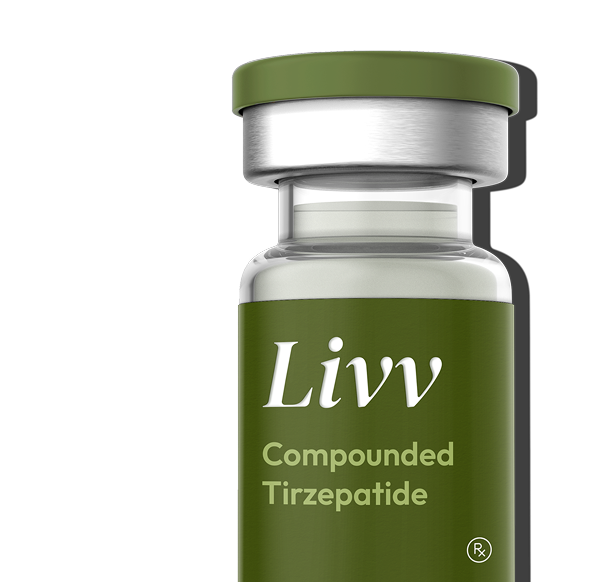
Many people notice digestive changes after starting this medication, and one of the most common is tirzepatide constipation. While tirzepatide helps regulate blood sugar and supports weight loss, it also slows digestion, which can make bowel movements less frequent. The good news is that this side effect is usually mild, temporary, and easy to manage with the right adjustments.
Quick summary
-
Constipation is one of the most common tirzepatide side effects.
-
It happens because the medication slows digestion and food movement.
-
Mild constipation is normal in the first few weeks.
-
Staying hydrated, eating fiber, and staying active can help.
-
If constipation becomes painful or persistent, contact your provider.
Why Tirzepatide Can Cause Constipation
Tirzepatide works by activating two natural hormones, GLP-1 and GIP, that help regulate appetite, blood sugar, and digestion. One of the ways it supports weight loss is by slowing how quickly food leaves the stomach. This slower digestion helps you feel full longer, but it can also reduce bowel movement frequency.
Constipation happens when the intestines absorb too much water from stool or when movement through the digestive tract slows down. Since tirzepatide naturally slows digestion, this effect can appear during the adjustment period.
How Common Is Constipation with Tirzepatide
In clinical studies and patient reports, constipation occurs in roughly 6–10% of people taking tirzepatide. It’s more likely to happen:
-
When you first start the medication
-
After a dose increase
-
If your diet is low in fiber
-
If you’re not drinking enough water
For most people, constipation improves as the body adapts to tirzepatide over the first few weeks.
What Tirzepatide Constipation Feels Like
Common symptoms include:
-
Fewer bowel movements (fewer than three per week)
-
Hard or dry stools
-
Bloating or fullness
-
Mild abdominal discomfort
Most cases are mild, but it can become uncomfortable if not managed early.
How to Relieve Tirzepatide Constipation
Fortunately, small changes in routine can make a big difference.
- Drink more water
-
Aim for at least 8 to 10 glasses of water per day.
-
Increase fluids when you exercise or live in a warm climate.
-
Herbal tea or water with lemon can make it easier to stay consistent.
2. Add fiber gradually
-
Eat fiber-rich foods such as vegetables, fruit, oatmeal, and whole grains.
-
Slowly increase fiber to avoid bloating.
-
You can also try a gentle fiber supplement like psyllium husk or inulin if food alone isn’t enough.
3. Stay active
-
Even light activity, like walking for 20–30 minutes daily, helps stimulate bowel movement.
-
Physical movement improves intestinal muscle contractions.
4. Maintain regular eating habits
-
Skipping meals or eating very small portions can slow digestion further.
-
Try to eat balanced meals with protein, healthy fats, and fiber.
5. Monitor your caffeine and dairy intake
-
Too much caffeine or dairy can worsen dehydration and constipation.
-
If you rely on coffee for energy, balance it with more water.
6. Avoid overusing laxatives
-
Over-the-counter laxatives can help short-term, but frequent use may make your body dependent on them.
-
If you need them for more than a few days, talk to your healthcare provider.
What to Eat to Prevent Constipation
Adding the right foods to your diet can help prevent constipation from returning.
High-fiber foods to include
-
Leafy greens (spinach, kale, broccoli)
-
Berries, apples, and pears
-
Oats, quinoa, and brown rice
-
Beans, lentils, and chickpeas
-
Chia seeds and flaxseeds
Hydrating foods
-
Cucumbers, celery, and watermelon
-
Soups and broths
-
Coconut water or diluted electrolyte drinks
These foods add moisture and fiber to your digestive system, keeping stools soft and easy to pass.
When to Expect Improvement
For most people, constipation improves within two to three weeks after starting tirzepatide. Your body gradually adjusts to the slower digestion rate. Drinking water consistently, eating fiber, and staying active will help speed up this process.
If constipation continues beyond a month, worsens with each dose increase, or is accompanied by severe bloating, abdominal pain, or vomiting, contact your healthcare provider.
When to Call Your Healthcare Provider
While occasional constipation is normal, call your provider if you experience:
-
No bowel movement for more than 5–7 days
-
Severe pain or swelling in the abdomen
-
Blood in stool
-
Nausea or vomiting
-
Ongoing discomfort despite lifestyle changes
Your provider may suggest a stool softener, fiber supplement, or temporary medication adjustment. In some cases, they may recommend lowering your dose or slowing your titration schedule.
Tips to Avoid Constipation When Starting Tirzepatide
You can reduce the chances of constipation before it even starts by following a few preventive habits:
-
Begin drinking more water a few days before your first dose.
-
Add extra vegetables or a fiber supplement to your meals early on.
-
Avoid long fasting periods when first adjusting to the medication.
-
Keep track of your digestion and note any changes.
-
Stay consistent—your digestive system often settles once your body adapts to tirzepatide.
Can Constipation Mean Tirzepatide Is Working?
In some cases, mild constipation can actually signal that the medication is doing what it’s supposed to. Tirzepatide slows digestion, helps you feel fuller longer, and reduces appetite—all of which support weight loss. If constipation is mild and temporary, it’s typically just your body’s way of adapting to that slower digestive process.
Patient Tips That Help
Patients who manage tirzepatide constipation successfully often recommend:
-
Starting the day with a full glass of water before coffee or food.
-
Eating a small serving of fruit like prunes or kiwi each morning.
-
Walking after meals to encourage movement through the intestines.
-
Tracking fiber intake and hydration daily using a simple app or journal.
Key Takeaways
-
Tirzepatide constipation is a common, mild side effect caused by slower digestion.
-
It usually improves within a few weeks as your body adjusts.
-
Staying hydrated, eating fiber, and exercising regularly can prevent or relieve symptoms.
-
Avoid over-the-counter laxatives for long periods unless advised by your provider.
-
Seek medical advice if constipation is severe, painful, or persistent.
Managing constipation early ensures you stay comfortable and consistent with your tirzepatide treatment plan.
Disclaimer
This content is for informational purposes only and is not a substitute for professional medical advice, diagnosis, or treatment. Always consult a licensed healthcare provider before starting or changing any medication.