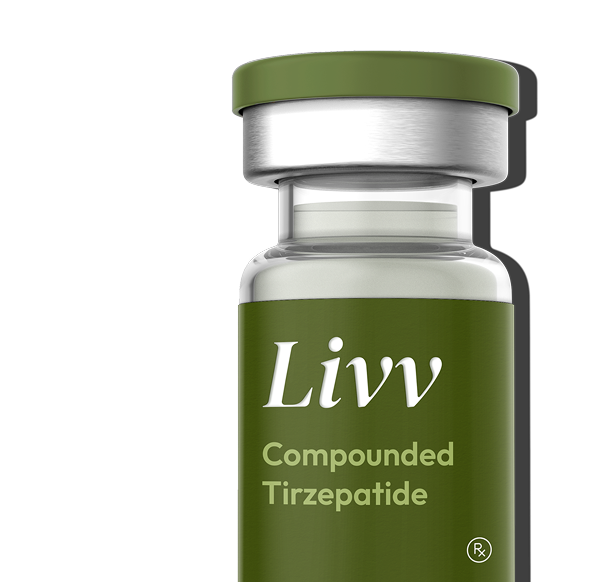

Many patients notice mild side effects when starting a new medication, and one of the most common questions is about tirzepatide headaches. While tirzepatide is highly effective for weight loss and blood sugar control, some people experience headaches during the first few weeks of treatment. The good news is that these headaches are usually mild, temporary, and manageable with a few simple adjustments.
Quick summary
-
Headaches can occur when your body adjusts to tirzepatide.
-
They are usually mild and improve within a few weeks.
-
Dehydration, lower calorie intake, and changes in blood sugar may contribute.
-
Drinking more water, eating balanced meals, and resting can help.
-
Persistent or severe headaches should be discussed with your healthcare provider.
Interested in learning how compounded tirzepatide may support weight management?
Explore our treatment options here.
Why Tirzepatide Can Cause Headaches
Tirzepatide works by mimicking two natural hormones, GLP-1 and GIP, which regulate blood sugar, appetite, and digestion. As your body adapts to these hormonal changes, temporary side effects can appear. Headaches are one of them.
Common causes of tirzepatide-related headaches include:
1. Dehydration
Tirzepatide can reduce appetite and make you eat or drink less without realizing it. Many patients drink less water because they’re simply not as hungry or thirsty. Even mild dehydration can trigger headaches.
2. Changes in blood sugar
Tirzepatide lowers blood sugar levels, which can sometimes dip lower than what your body is used to—especially if you’re taking other diabetes medications or skipping meals. Sudden changes in glucose can cause headache, dizziness, or fatigue.
3. Reduced calorie intake
As tirzepatide suppresses appetite, some people eat significantly less. If your calorie or carbohydrate intake drops too quickly, your body may react with mild headaches as it adjusts to the new energy balance.
4. Caffeine changes
Some patients naturally reduce caffeine while starting tirzepatide because they drink fewer beverages overall. Cutting back on coffee or energy drinks too quickly can cause withdrawal headaches.
5. Medication adjustment period
Your body needs time to adapt to new hormone levels, slower digestion, and lower appetite. Headaches are often part of this short adjustment period, especially during the first 2–4 weeks.
What Tirzepatide Headaches Feel Like
Most headaches related to tirzepatide are described as:
-
Dull or mild pressure behind the eyes or temples
-
Occurring during the first few weeks of treatment or dose changes
-
Improving with rest, hydration, or small snacks
They rarely present as sharp or severe migraines. If your headache is intense, persistent, or accompanied by vision changes, nausea, or confusion, contact your healthcare provider immediately.
How Long Tirzepatide Headaches Last
For most patients, tirzepatide headaches are temporary. They often appear in the first one to two weeks and fade as the body adapts to the medication. If you increase your dose, you might notice mild headaches again for a few days before they resolve.
If headaches persist beyond four weeks or get worse over time, it’s worth discussing with your provider to rule out dehydration, low blood sugar, or other causes.
How to Reduce or Prevent Tirzepatide Headaches
Simple habits can make a big difference in preventing tirzepatide headaches.
1. Stay hydrated
-
Aim for 8 to 10 glasses of water per day.
-
Carry a water bottle and sip throughout the day, even if you’re not thirsty.
-
Add electrolytes if you’re sweating or exercising.
2. Eat balanced meals
-
Don’t skip meals, especially in the first few weeks.
-
Include protein, complex carbs, and healthy fats in each meal to maintain stable blood sugar.
-
Avoid going too long between meals, even if you’re not hungry.
3. Watch caffeine intake
-
If you plan to cut back on coffee or energy drinks, do it gradually.
-
Switching too quickly can trigger caffeine withdrawal headaches.
4. Get enough sleep
-
Fatigue and stress can make headaches worse.
-
Aim for 7–9 hours of quality sleep each night.
5. Adjust activity levels gradually
-
If you’re losing weight and starting to exercise more, increase intensity slowly.
-
Sudden changes in exertion can contribute to dehydration or tension headaches.
6. Limit alcohol and processed foods
-
Alcohol and salty or processed foods can worsen dehydration.
-
These also cause fluid shifts that make headaches more likely.
When to Talk to Your Healthcare Provider
Most tirzepatide headaches are harmless, but some situations require medical attention. Contact your provider if you experience:
-
Severe or sudden headaches
-
Blurred vision or dizziness
-
Headaches with nausea or vomiting
-
Headaches that persist longer than 2–4 weeks
-
Symptoms of low blood sugar, such as sweating, shakiness, or confusion
Your provider may adjust your dose, recommend hydration and nutrition changes, or check for other causes. In some cases, they might review any other medications that could be interacting with tirzepatide.
Can You Take Pain Relievers for Tirzepatide Headaches?
Yes, mild over-the-counter pain relievers like acetaminophen or ibuprofen can help manage temporary tirzepatide headaches. Always take them as directed and avoid using them daily for extended periods. If you find yourself needing pain medication regularly, speak with your provider instead of self-treating long-term.
The Role of Blood Sugar in Headaches
Because tirzepatide lowers blood sugar, it’s helpful to understand how glucose levels affect headaches. Low blood sugar (hypoglycemia) can cause:
-
Headache
-
Sweating
-
Weakness
-
Shakiness
-
Lightheadedness
If you’re using tirzepatide alongside insulin or sulfonylureas, your provider may adjust your dosage to reduce the risk of hypoglycemia. Eating small, balanced meals every few hours can also stabilize blood sugar and reduce headaches.
Tips from Patients
Patients who have successfully managed tirzepatide headaches often share similar advice:
-
Drink a full glass of water with your tirzepatide dose.
-
Eat a light meal with protein afterward.
-
Keep snacks like nuts or fruit on hand for low-energy moments.
-
Use a hydration tracker app to stay consistent.
These small steps can make a noticeable difference within days.
Key Takeaways
-
Tirzepatide headaches are fairly common but usually short-lived.
-
Most cases improve within a few weeks as the body adjusts.
-
Dehydration, low calorie intake, and fluctuating blood sugar are common triggers.
-
Staying hydrated, eating balanced meals, and getting enough rest often prevent headaches.
-
Severe or persistent headaches should always be discussed with your healthcare provider.
Disclaimer
This content is for informational purposes only and is not a substitute for professional medical advice, diagnosis, or treatment. Always consult a licensed healthcare provider before starting or changing any medication.