
Many patients starting this medication want to know what to eat on tirzepatide to get the best results. Tirzepatide helps regulate blood sugar, reduce appetite, and support weight loss, but your diet plays a major role in how effective it is. Choosing the right foods can help you feel full longer, minimize side effects like nausea or constipation, and keep your energy steady throughout the day.
Quick summary
• Focus on balanced meals with protein, fiber, and healthy fats.
• Eat smaller, slower meals to prevent nausea or bloating.
• Limit sugary and processed foods that spike blood sugar.
• Drink plenty of water to prevent dehydration and constipation.
• Listen to your body’s hunger cues and avoid forcing large meals.
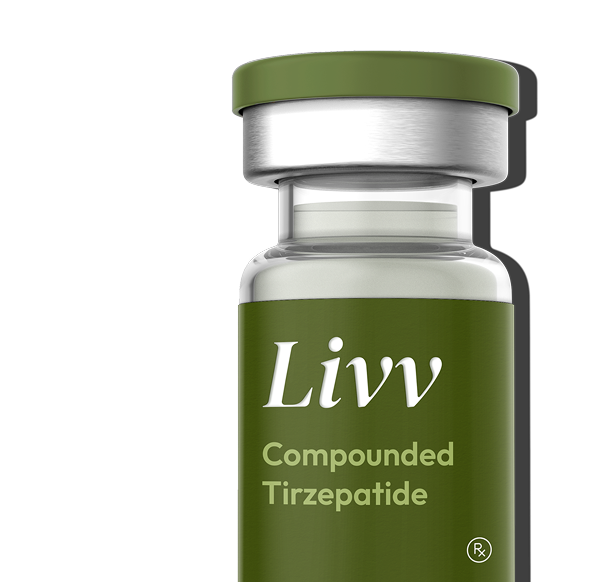
Interested in learning how compounded tirzepatide may support weight management?
Explore our treatment options here.
Why Your Diet Matters on Tirzepatide
Tirzepatide works by slowing digestion and reducing appetite. This means food stays in your stomach longer, helping you feel full faster and eat less. However, this slower digestion also means your food choices can make a big difference in how comfortable you feel after meals.
Choosing foods that are gentle on digestion and packed with nutrients helps you maintain energy, avoid side effects, and keep weight loss steady over time.
Best Foods to Eat on Tirzepatide
To get the most out of your treatment, focus on nutrient-dense, whole foods that support your metabolism and digestion.
1. Lean proteins
Protein helps you stay full longer and supports muscle maintenance during weight loss.
• Chicken, turkey, or lean beef
• Eggs or egg whites
• Fish and seafood
• Greek yogurt or cottage cheese
• Plant proteins like tofu, tempeh, or lentils
2. High-fiber foods
Fiber supports digestion, helps prevent constipation, and promotes fullness.
• Oats, quinoa, and brown rice
• Vegetables such as broccoli, spinach, carrots, and zucchini
• Fruits like berries, apples, pears, and kiwi
• Beans, chickpeas, and lentils
• Chia seeds and flaxseeds
3. Healthy fats
Healthy fats help control hunger and improve nutrient absorption.
• Avocados
• Olive oil or avocado oil
• Nuts and seeds
• Fatty fish like salmon or sardines
4. Hydrating foods and fluids
Staying hydrated is crucial when taking tirzepatide.
• Water, at least 8 to 10 glasses daily
• Electrolyte drinks in moderation
• Broths or soups
• Water-rich fruits and vegetables like cucumbers, oranges, and melons
Foods to Limit or Avoid on Tirzepatide
Some foods can worsen common tirzepatide side effects such as nausea, bloating, or constipation. Limiting these will make your experience smoother.
1. Greasy or fried foods
High-fat fried foods are hard to digest and can cause nausea or heartburn.
• Fried chicken, burgers, or fast food
• Heavy sauces or creamy dressings
2. Sugary foods and drinks
Sugar can cause energy crashes and interfere with blood sugar regulation.
• Soda, candy, desserts, and pastries
• Sweetened coffee drinks or juices
3. Processed carbohydrates
Refined carbs digest quickly, leading to hunger spikes and unstable blood sugar.
• White bread, pasta, or rice
• Crackers, chips, and baked snacks
4. Alcohol
Alcohol can worsen dehydration and nausea. It also adds empty calories and affects blood sugar.
• If you drink, limit intake and stay hydrated
5. Carbonated beverages
Soda and sparkling water can increase bloating and gas when digestion slows.
Meal Timing and Portion Tips
Since tirzepatide slows digestion, eating smaller, slower meals helps reduce discomfort and keeps energy steady.
Tips for meal timing
• Eat smaller portions throughout the day instead of large meals.
• Chew food thoroughly and eat slowly.
• Stop eating when you feel comfortably full.
• Avoid lying down after meals.
• If you feel weak or dizzy, have a small protein snack like nuts or yogurt.
Sample Meal Ideas for Tirzepatide
Breakfast
• Greek yogurt with berries and chia seeds
• Scrambled eggs with spinach and whole-grain toast
• Oatmeal topped with banana and almond butter
Lunch
• Grilled chicken salad with olive oil and avocado
• Turkey and vegetable wrap with a side of fruit
• Brown rice bowl with salmon, broccoli, and sesame oil
Dinner
• Baked fish with roasted vegetables and quinoa
• Stir-fried tofu with mixed greens and light soy sauce
• Lean beef with sweet potato and green beans
Snacks
• Handful of almonds or walnuts
• Cottage cheese with pineapple
• Apple slices with peanut butter
• Protein shake with unsweetened almond milk
Tips to Manage Nausea or Digestive Issues
Some people experience mild nausea when starting tirzepatide. The right eating habits can minimize it.
What helps
• Eat bland foods like toast, rice, or applesauce if you feel queasy.
• Avoid heavy, fried, or spicy foods.
• Sip water slowly throughout the day instead of drinking large amounts at once.
• Ginger tea or peppermint tea can calm the stomach.
• If nausea continues, speak with your healthcare provider.
How Tirzepatide Changes Hunger
Tirzepatide suppresses appetite, which means you may eat less. This can lead to skipped meals or nutrient gaps. It is important to eat enough protein, fiber, and fluids even when your appetite is low.
Listen to your body
• Eat when you are hungry, even if it is just a small meal.
• Focus on protein and hydration when your appetite is reduced.
• Avoid skipping meals for long stretches.
Key Takeaways
• Eat high-protein, high-fiber, nutrient-rich foods for best results.
• Avoid fried, sugary, and processed foods that upset digestion.
• Eat smaller portions and drink water throughout the day.
• Choose gentle foods if nausea occurs and stay hydrated.
• Consistent, balanced eating supports steady weight loss and helps you feel your best on tirzepatide.
Disclaimer
This content is for informational purposes only and is not a substitute for professional medical advice, diagnosis, or treatment. Always consult a licensed healthcare provider or registered dietitian before making major dietary changes.