
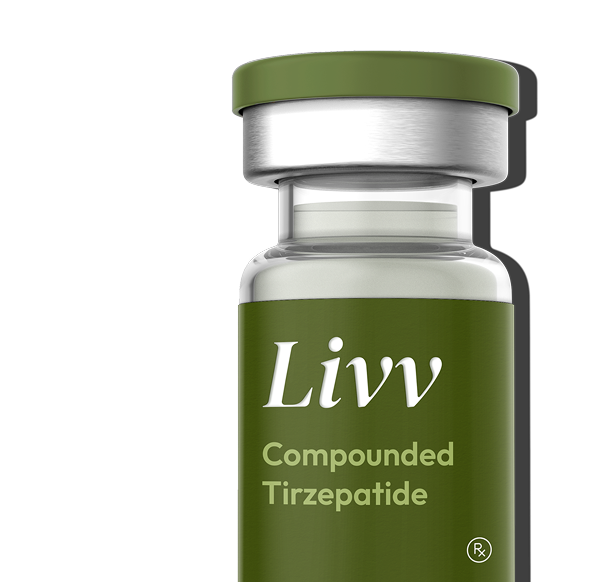

If you have started tirzepatide and expected steady progress on the scale, you are not alone in asking why am I not losing weight on tirzepatide?. While tirzepatide is proven to help with weight management, results can vary from person to person. Weight loss depends on several factors including dosage, eating habits, physical activity, and how your body responds to the medication. Understanding these factors can help you pinpoint what might be slowing your results and how to get back on track.
Quick summary
-
Weight loss may take several weeks to begin after starting tirzepatide.
-
Common reasons for slow results include low dose, food choices, inactivity, or metabolic adaptation.
-
Sleep, hydration, and hormones also affect progress.
-
Most patients start to see steady results after consistent use and lifestyle adjustments.
Interested in learning how compounded tirzepatide may support weight management?
Explore our treatment options here.
How Tirzepatide Works for Weight Loss
Tirzepatide mimics two natural hormones, GLP-1 and GIP, that regulate blood sugar, appetite, and metabolism. Together, they slow digestion, reduce appetite, and improve insulin sensitivity. These changes help lower calorie intake and support steady fat loss.
However, weight loss does not always happen immediately, and several reasons can influence how fast you see results.
1. You Are Still on a Low Starting Dose
Tirzepatide doses are increased slowly to minimize side effects like nausea or constipation. Early doses are designed to help your body adjust, not necessarily to trigger significant weight loss right away.
If you are on a lower dose such as 2.5 mg or 5 mg weekly, your body may not yet experience the full appetite-suppressing effect.
What to do
-
Continue taking tirzepatide as prescribed and be patient.
-
Most people notice stronger results after reaching a maintenance dose such as 7.5 mg or higher.
-
If progress is slow after several months, talk to your provider about adjusting your dose.
2. You Are Eating Too Few Calories
It may sound surprising, but eating too little can slow weight loss. When your calorie intake drops too far, your metabolism slows as the body conserves energy. Since tirzepatide reduces appetite, many people eat less than they realize.
What to do
-
Track your calorie and protein intake for a few days to see if you are eating enough.
-
Do not skip meals completely. Choose balanced foods that keep you satisfied.
-
Aim for 60 to 80 grams of protein per day to maintain lean muscle and metabolism.
3. You Are Not Choosing the Right Foods
Tirzepatide reduces hunger, but food quality still matters. Processed snacks, sugar, and refined carbs can slow progress even in small amounts. These foods can spike blood sugar and interfere with tirzepatide’s appetite-regulating benefits.
What to do
-
Focus on lean proteins, vegetables, whole grains, and healthy fats.
-
Limit sugary drinks and high-glycemic foods.
-
Keep meals simple and consistent. Small improvements add up over time.
4. You Are Not Moving Enough
While tirzepatide helps with appetite control, physical activity boosts calorie burn and prevents weight plateaus. If your daily movement is low, your total calorie burn may drop over time.
What to do
-
Add 30 minutes of walking, cycling, or light resistance training most days.
-
Strength training helps preserve muscle and support metabolism.
-
Focus on staying consistent rather than intense workouts.
5. You Are Gaining Muscle as You Lose Fat
Sometimes the scale does not move because you are losing fat but gaining muscle. Tirzepatide can improve energy and glucose use, which helps you be more active and build strength. Muscle weighs more than fat but makes you leaner overall.
What to do
-
Track progress using waist measurements or photos rather than just the scale.
-
Pay attention to how your clothes fit and how your energy levels change.
6. You Are Retaining Water
Tirzepatide can influence digestion and hormone levels, which may lead to temporary water retention. This can make your weight appear stalled even while fat loss is happening.
What to do
-
Drink enough water or add electrolyte drinks.
-
Avoid salty or processed foods that cause bloating.
-
Remember that water fluctuations are normal and temporary.
7. You Have Hit a Plateau
After initial progress, some people experience a weight-loss plateau. This happens when your body adjusts to the lower calorie intake and reduced body weight.
What to do
-
Reassess your calorie intake and activity levels.
-
Add resistance training to stimulate your metabolism.
-
Ask your provider if it is time for a dose adjustment.
8. You Are Not Sleeping Enough
Poor sleep affects hormones that control hunger and metabolism. Lack of rest increases cortisol and ghrelin, which can cause hunger spikes and slow fat loss.
What to do
-
Get 7 to 9 hours of quality sleep each night.
-
Keep a regular sleep schedule.
-
Avoid caffeine, screens, and heavy meals close to bedtime.
9. Your Body Needs More Time
Tirzepatide works gradually. Some patients notice results within a few weeks, while others may need 8 to 12 weeks before steady weight loss begins. Metabolism, hormones, and genetics all influence timing.
What to do
-
Stay consistent for at least 12 weeks before judging results.
-
Track weekly averages rather than daily weight changes.
-
Celebrate non-scale progress like lower cravings, better energy, or improved focus.
10. You May Have an Underlying Condition
Some conditions make weight loss more difficult, even with tirzepatide. These include thyroid disorders, hormonal imbalances, and polycystic ovary syndrome (PCOS). Certain medications such as antidepressants or steroids can also slow progress.
What to do
-
Ask your provider for a basic health check or lab work.
-
Review your medications to see if any affect metabolism.
-
Never stop another medication without consulting your provider first.
Key Takeaways
-
Weight loss on tirzepatide can vary greatly between individuals.
-
It may take several weeks before you notice steady progress.
-
Common causes of slow results include under-eating, low activity, or metabolic adaptation.
-
Focus on hydration, protein intake, sleep, and gradual lifestyle improvement.
-
Talk to your provider if you see little or no change after consistent use.
When to Contact Your Provider
Reach out to your healthcare provider if:
-
You have been on tirzepatide for 12 weeks or longer with no weight change.
-
You are following your plan but feel overly tired or dizzy.
-
You suspect thyroid, hormonal, or metabolic issues.
Your provider may check for underlying factors, adjust your dose, or recommend a complementary approach to improve results.
Disclaimer
This content is for informational purposes only and is not a substitute for professional medical advice, diagnosis, or treatment. Always consult a licensed healthcare provider before starting or changing any medication.